


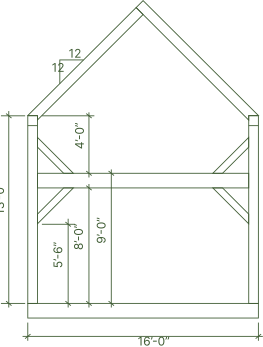
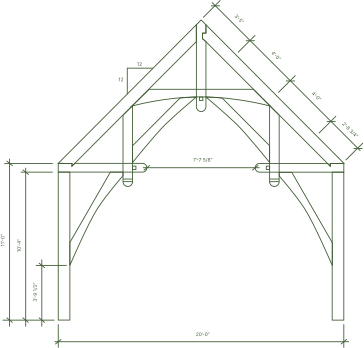

Timber framing is already an energy-efficient construction method, especially compared to stick-built homes. Structural insulated panels or SIPs, however, also contribute to the efficiency of the timber frame. They’re the perfect match for any beautiful frame, adding quick and sustainable insulation that other methods just can’t touch.
What Are Structural Insulated Panels?
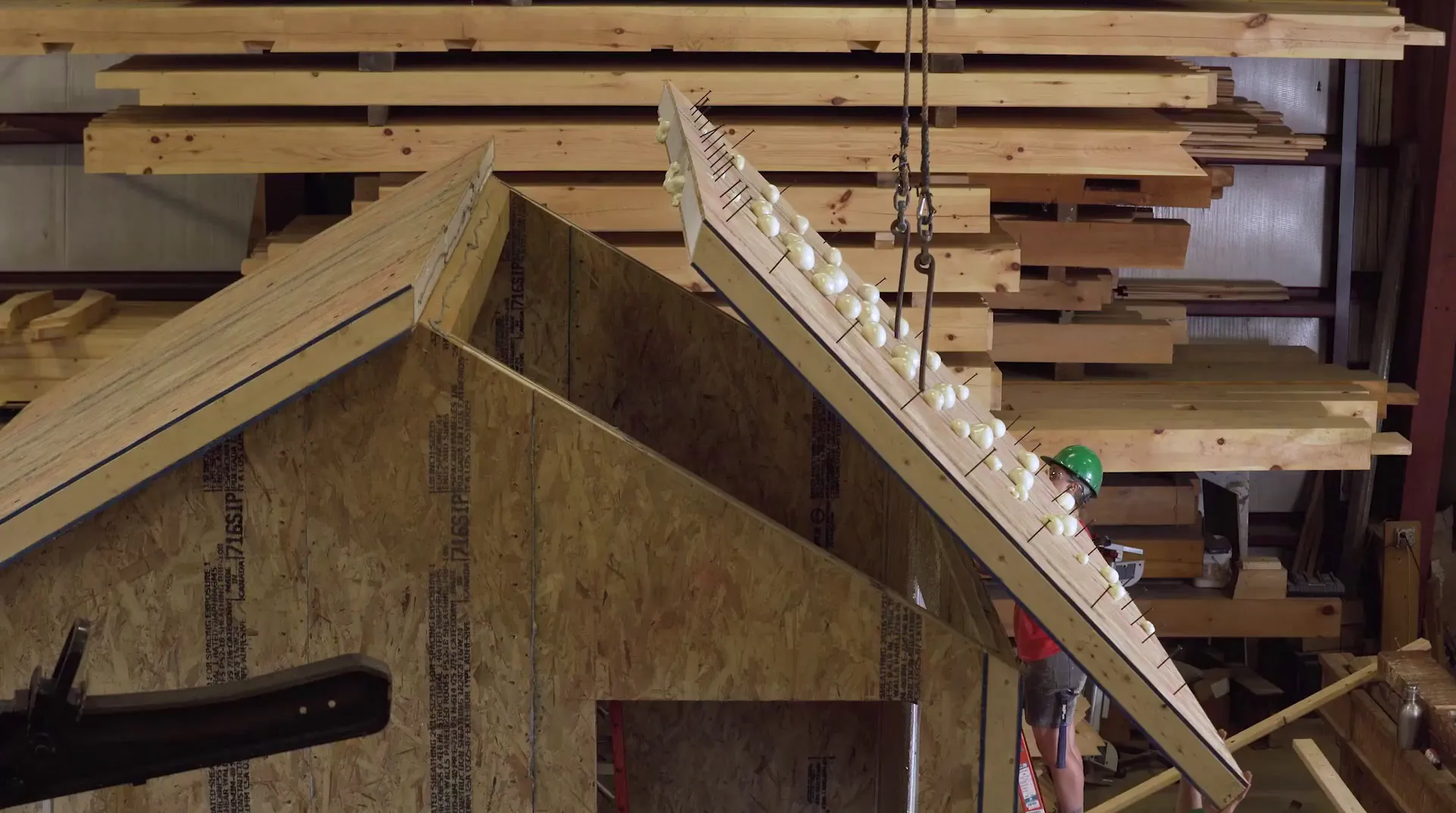
Structural insulated panels are made of a rigid foam insulation core sandwiched between two structural facings. Think of them as the ultimate building block—insulation and structure in one.
Their foam core is typically made from expanded polystyrene (EPS), extruded polystyrene (XPS), or polyurethane foam. The structural facings are usually oriented strand board (OSB) or plywood. These insulated sandwiches are factory-manufactured to fit your specifications. The foam is pressure-laminated or injected between the structural sides. Upon delivery, your SIPs will have the correct cutouts for windows, doors, and electrical. Once on-site, they’re ready to install—no further measuring, cutting, or guesswork.
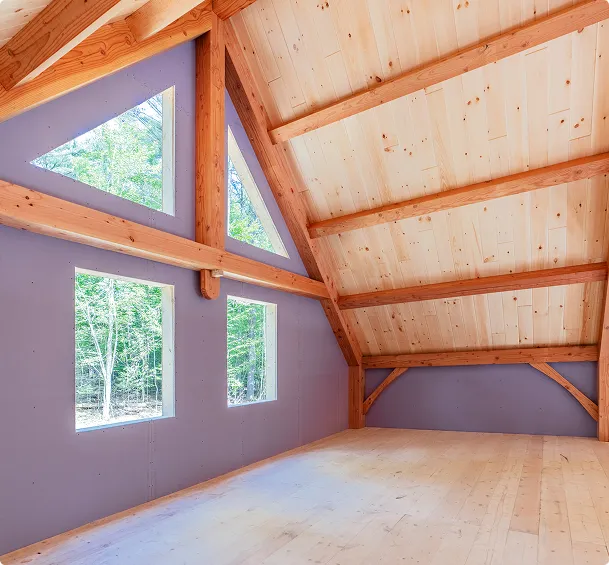
For timber frames, this is ideal. Post and beams provide structural support, and the structural insulated panels provide the envelope. That means you can enjoy wide-open spaces without worrying about load-bearing walls, plus exceptional energy performance too.
Why Structural Insulated Panels Are So Energy Efficient
Air leakage accounts for up to 40% of heat loss in traditional buildings. But don’t worry, because SIPs are 15 times more airtight than stick-built constructions. Factory manufacturing ensures precision, eliminating gaps that typically occur with on-site construction.
With traditional stick-built constructions, walls have studs every 16 to 24 inches. At every stud, there’s a thermal bridge where heat escapes. SIPs, however, provide uninterrupted insulation across entire panels, keeping all the good heat where it belongs.
If we’re talking numbers, a 4.5-inch SIP wall delivers a whole-wall R-value of 14, while a 2x4 stick-built wall comes in under 10, resulting in consistent indoor temperatures, no cold spots, and lower energy bills on average.
Other Benefits of SIPs
Not only do SIPs provide excellent energy efficiency, but they’re also easier to install than typical insulation. Because they’re precut off-site and delivered ready to go, it’ll cost less in labor to have them installed. Or, if you’re building your own home, that’s more time you’ll be able to spend inside of it, rather than out.
On top of that, SIPs also typically come with serious warranties, so you can count on them lasting a long time, and they’re sustainable. They result in reduced waste compared to traditional insulation methods, allow for faster construction, and impact the site less.
We use them on our job sites, and you know us—we don’t recommend anything we don’t use and love ourselves.
Shelter Institute & SIPs
At Shelter Institute, we’ve used SIPs on Design Build projects for years. They go up fast, perform exceptionally, and create a truly energy-efficient home. After 50 years of building and teaching timber framing, we know what works.
Want to learn more about SIPs? We’ve got a course for that.


.webp)
.webp)